
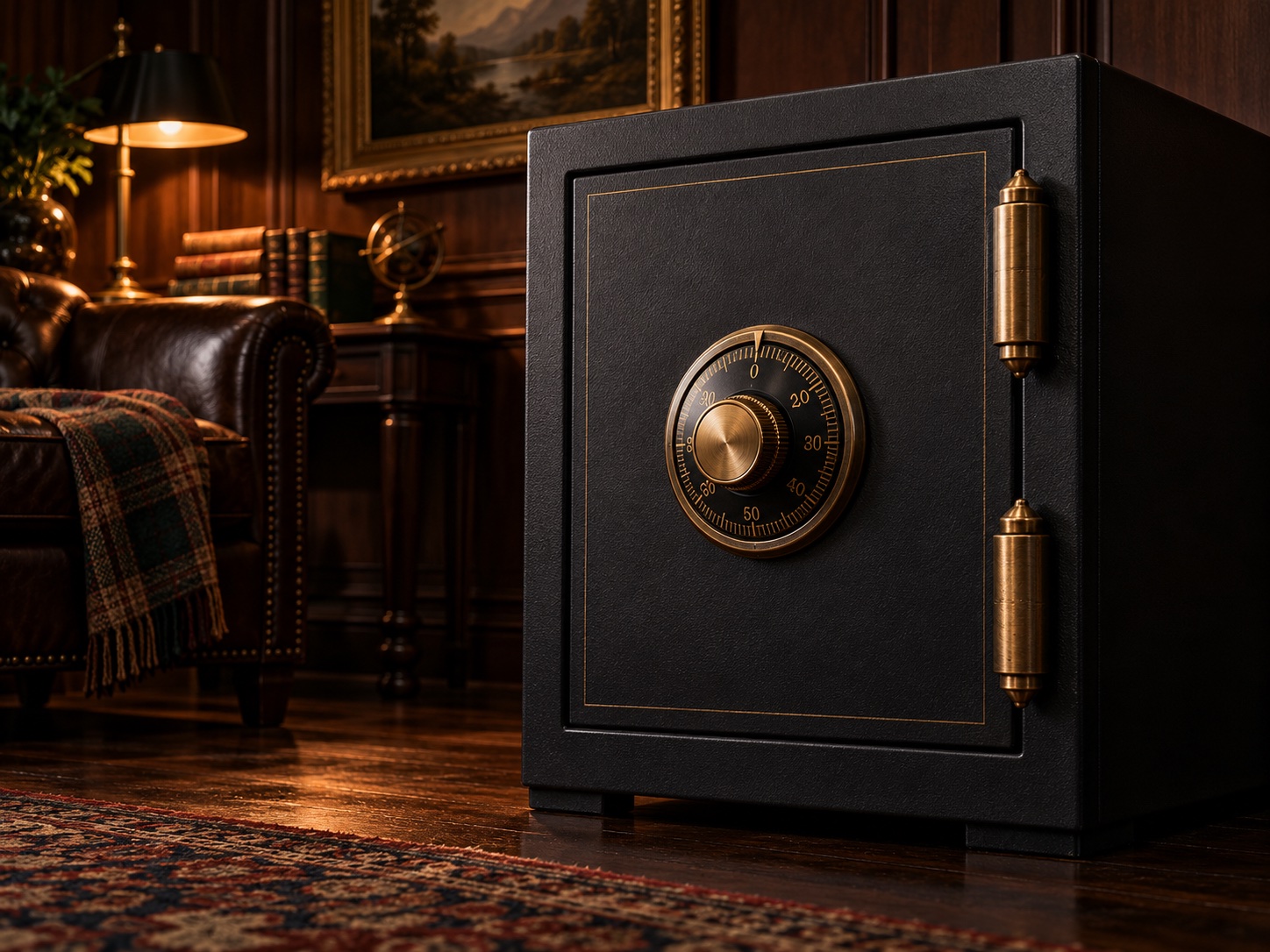
Household safety is often built from ordinary conversations. We discuss allergies, pool access and who will be supervising a visit. Firearm storage belongs in that same practical conversation, without assumptions about a person's experience or intentions.
Ask a clear question
“Are there firearms in the home, and are they securely stored?” is more useful than “Is everything safe?” The first question identifies the concern. The second leaves too much room for different interpretations.
California's Department of Justice emphasizes that visiting children matter too. It also cautions that telling children not to touch firearms is not a substitute for adults securing them. A household plan needs to account for curiosity and unexpected access, not only deliberate disobedience.
Agree on responsibilities
The adults responsible for a home should understand who manages secure storage and who is authorized to access it. Keys and codes should not be shared casually. A visitor should not need to inspect a storage setup personally to ask for a clear explanation of the household's precautions.
If the answer is uncertain, choose another place to meet until it can be resolved. That is a practical boundary, not a judgment of character. The purpose is to make the environment suitable for the people who will be there.
Keep the conversation current
Families change. Children grow, relatives visit and living arrangements evolve. Revisit safety expectations when the circumstances change rather than relying on a conversation from years ago.
This is general educational guidance. Local rules and individual circumstances differ. Follow current official resources and seek qualified advice for questions about a specific storage arrangement.
How we approach evidence →