American industrial history is full of memorable names. A name can open the door to a story, but it cannot stand in for the story itself. The more useful questions concern people, institutions, dates and the sources that connect them.
Begin with an archive
The Library of Congress research guide on Colt offers a starting point for readers interested in the company's history. It places patents, manufacturing ventures and later factory development within a broader research trail. Its bibliography also shows that a single subject can support many different lines of inquiry.
A patent, a factory record and an advertisement are different kinds of documents. A patent records a claim about an invention; an advertisement records how someone wanted a product to be seen. Reading either as a complete account of everyday experience would be a mistake.
Read the object and the record together
A museum label may identify a maker, place, date, material and acquisition history. Those fields are not decorative. They tell readers what is known about an object and how it entered the collection. Words such as “attributed to” and “circa” signal useful limits.
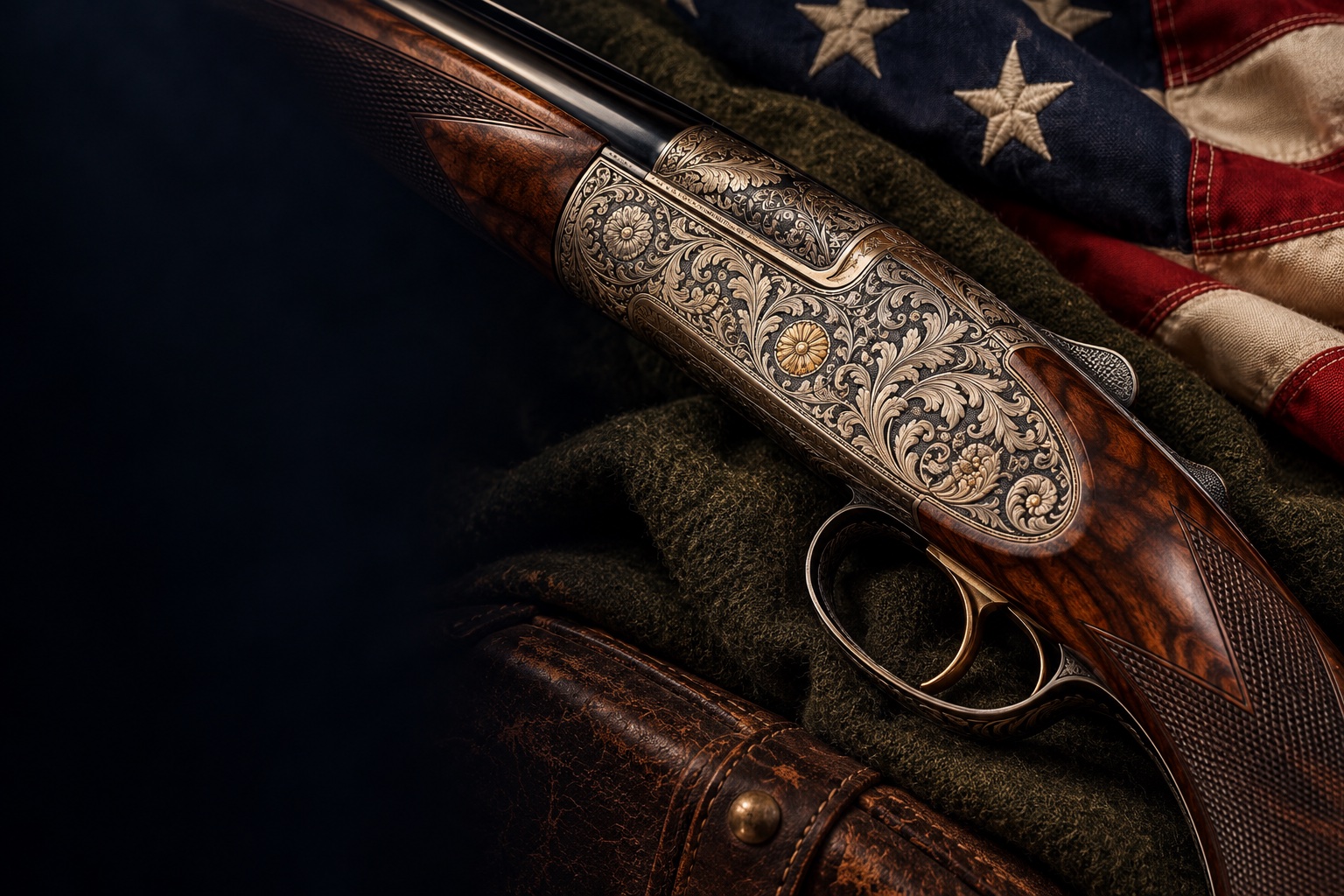
Pay attention to what a record does not establish. A photograph of an ornate object does not tell us how common it was, who could afford it or how representative it was of ordinary production. Exceptional survivors can make the past look more uniform—or more luxurious—than it was.
Leave room for a complicated past
Admiration for design can coexist with scrutiny of its social context. Industrial achievement, commercial promotion and the consequences of firearms all belong in a serious historical account. Heritage writing becomes more useful when it invites inquiry instead of asking for uncritical celebration.
Start with the research guide below, follow its citations and compare the questions each source was created to answer. The goal is not to replace one legend with another. It is to make the evidence visible.
How we approach evidence →