- Historical subject
- Model 1873
- Introduced
- 1873
- Lens
- History & preservation
Research-only design profile. This is an editorial assessment of historical significance, not a hands-on test, product recommendation or performance rating.
Begin where the evidence begins
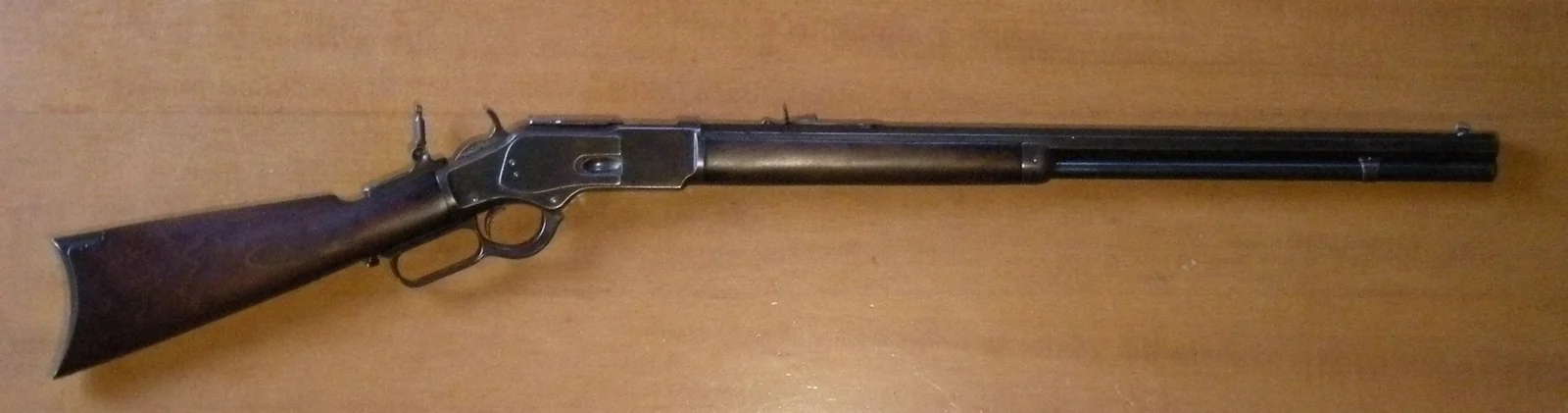
The Winchester Model 1873 arrives in a discussion already surrounded by the imagery of the American West. That familiarity makes it an appealing editorial subject, but also a difficult one. A recognizable name can tempt a writer to substitute a ready-made legend for a specific history. Our approach is to keep the legend visible while asking what the surviving record actually supports.
Winchester’s own introduction timeline dates the Model 1873 to 1873. It lists the Model 1892 and Model 1894 as later, distinct introductions. These distinctions are more than catalogue housekeeping. A generic lever-action silhouette does not identify one model, and the cultural associations of one Winchester should not automatically be assigned to another.
A discovery that leaves questions open
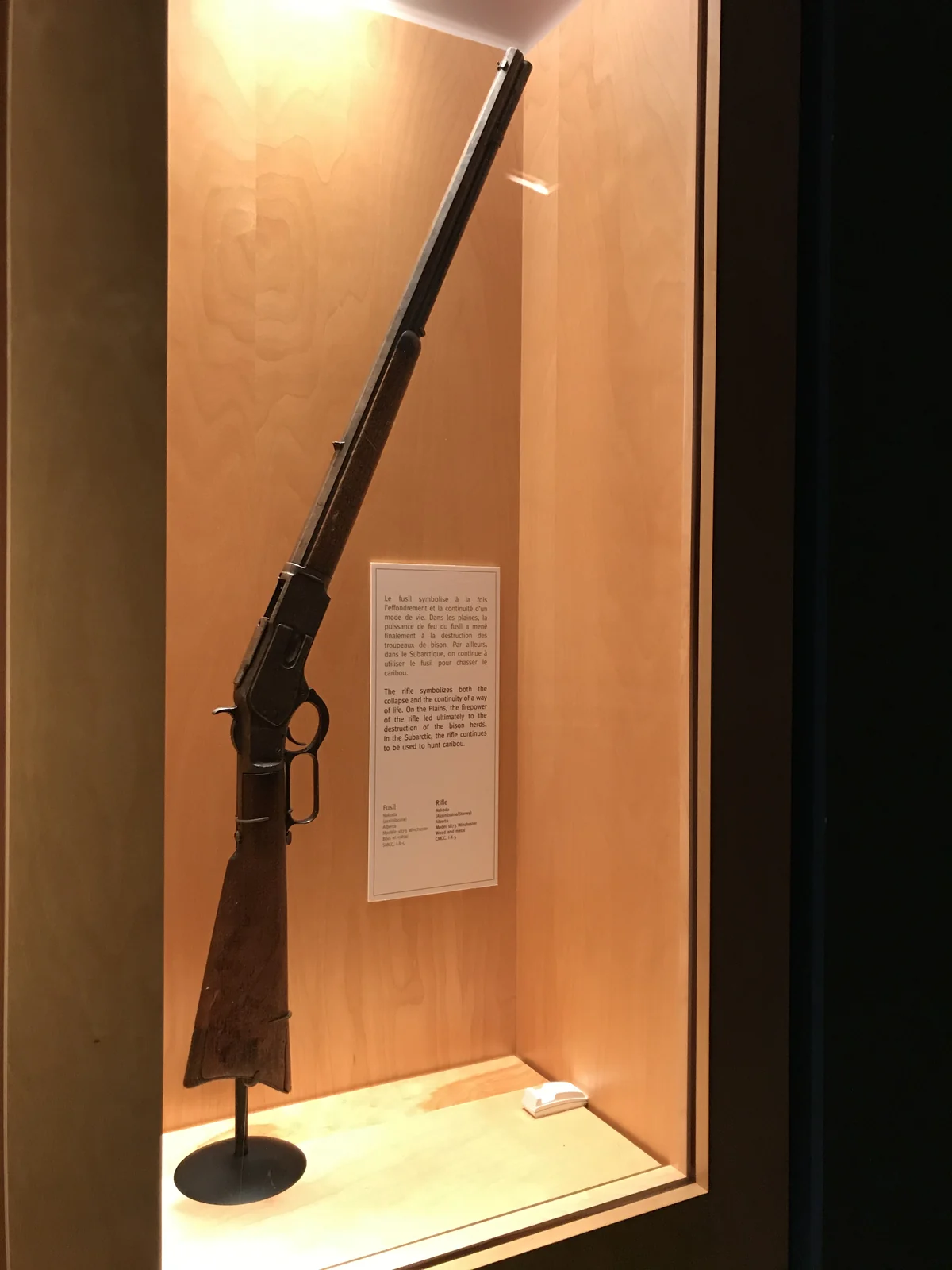
In November 2014, a Great Basin National Park archaeological survey found a weathered Winchester Model 1873. The National Park Service’s account explains that archival records established manufacture and shipment in 1882, but did not reveal a purchaser or destination. Conservation focused on preserving the object in its weathered state, an approach described as arrested decay, rather than making it appear new.
The most important feature of this story is not a dramatic answer. It is the boundary between what was established and what remains unknown. A documented production date does not explain who left the rifle, why it was there or how long it remained in that position. Those unanswered questions are part of the artifact’s history, not an invitation to invent the missing chapters.
Why condition can be evidence
For a reader accustomed to polished display objects, a weathered artifact offers a different way to look. Its surface can communicate the passage of time without providing a complete narrative of that time. Conservation makes a deliberate choice about what to preserve and what not to disguise. That choice affects the story visitors encounter.
Our interpretation is that this makes the Great Basin example especially useful for understanding historical responsibility. An object can be visually powerful precisely because it resists a tidy explanation. The temptation to name an owner or assign a frontier adventure may be strong, but those additions would turn uncertainty into fiction. Respect for the artifact includes respect for the gaps.
Separate a model from a myth
A phrase about “winning the West” should be understood as rhetoric, not a complete explanation of a region’s history. It compresses complex human events into a product-centered story. An editorial profile can examine why that association is memorable without endorsing the idea that one manufactured object accounts for settlement, conflict or social change.
We therefore use the Model 1873 as an entry point, not as the sole protagonist of American history. Its cultural identity is worth examining alongside the records of particular objects and the institutions that preserve them. The manufacturer’s timeline tells one kind of story; archaeological documentation tells another. Reading them together helps reveal where branding ends and evidence begins.
Originals, later models and revived names
Winchester’s timeline also records a return of Model 1873 production in 2013. A revived designation creates another reason for careful language. The historical model and a later product carrying that name belong to a connected story, but they do not share the same individual provenance, production date or material biography.
This article is about the historical design and its interpretation. It is not an evaluation of a contemporary reproduction, nor a guide to authenticating an antique. Those are separate tasks requiring their own evidence. Keeping them separate prevents a discussion of cultural significance from becoming an accidental endorsement of an unspecified product.
Our considered view
The Model 1873 is most interesting when the grand narrative meets the small, stubborn facts. A date in a production record can be known; a person’s identity can remain unknown. A familiar outline can connect an object to a design family without explaining everything that happened to it. That tension makes for a richer story than a slogan.
Our editorial assessment is that the design belongs in this series because it opens a conversation about history, memory and preservation. We assign no score for accuracy, reliability or practical usefulness. The strongest conclusion available here is historical: careful attention to evidence makes an already recognizable object more interesting, not less.
How we approach evidence →